

Monday, November 25, 2024
How to Make a Wooden Boat That is Both Beautiful and Functional

Beyond the Plans: Unveiling Hidden Gems in Wooden Boat Building
Building a wooden boat is a journey of craftsmanship, patience, and a deep connection with the natural world. While countless books detail the technical aspects, "How to Make a Wooden Boat That is Both Beautiful and Functional" (let's call it HTMAWBTBAF for brevity) often overlooks the less tangible, yet equally crucial elements. This review delves into those often-missed nuances, providing insights for seasoned builders and enthusiastic newcomers alike.
The Unsung Hero: Embracing the Imperfection
Most woodworking guides emphasize precision. HTMAWBTBAF is no exception. But what about the beauty inherent in the imperfections? Let's face it, perfectly uniform wood is rare, and frankly, a bit boring.
Q: How can I leverage natural wood variations to enhance my boat's aesthetic?
A: Instead of fighting knots, cracks, and color variations, celebrate them! Think of them as the boat's unique fingerprint. A strategically placed knot can become a focal point, a natural accent that adds character. Consider using epoxy to stabilize cracks, then highlighting them with contrasting wood fillers or paints. This approach transforms imperfections from flaws into design elements, adding an artisanal touch that mass-produced boats simply can't replicate. Look at traditional boatbuilding styles from around the world â€" the embrace of natural variation is a common thread.
Beyond the Blueprint: The Psychology of Boat Building
The emotional journey of building a boat is often underestimated. It's not just about the technical skills; it's about the emotional investment, the sense of accomplishment, and the challenges overcome.
Q: How can I maintain motivation and manage the inevitable setbacks during a long-term project like boat building?
A: Break the project into smaller, manageable milestones. Celebrate each completed stage, no matter how small. Document your progress with photos and videos â€" this creates a visual record of your journey, boosting morale during challenging times. Join a woodworking community or online forum to connect with others who understand the unique frustrations and rewards of boat building. This shared experience provides invaluable support and encouragement.
Sustainable Choices: A Greener Approach to Boat Building
While HTMAWBTBAF touches on wood selection, it could delve deeper into the sustainability aspect. The impact of our choices extends far beyond the immediate project.
Q: What sustainable practices can I incorporate into my boat-building project?
A: Prioritize sustainably sourced wood, opting for certified lumber from responsibly managed forests (look for certifications like FSC). Explore alternative materials like recycled plastics for non-structural elements. Minimize waste by carefully planning your cuts and finding creative uses for scraps. Consider using water-based finishes that are less toxic than traditional solvents. These seemingly small choices contribute significantly to environmental responsibility.
Beyond the Functional: The Soul of the Boat
The ultimate test of a successful boat isn't just its functionality; it's the connection it fosters between the builder and the water. It's the feeling of pride when you finally launch your creation. It's the joy of gliding across the lake, knowing you poured your heart and soul into building this vessel. HTMAWBTBAF hints at this, but it deserves a more prominent place in the narrative.
Consider the story of "The Great Race to Build a Boat" â€" a local community project where high school students built a traditional sailboat for an annual race. The project was more than just carpentry; it was a bonding experience, fostering teamwork, problem-solving skills, and a deep appreciation for the maritime heritage. This is the real magic of boat building, a lesson rarely explicitly discussed in technical manuals.
In conclusion, while HTMAWBTBAF provides a solid foundation for wooden boat construction, embracing the nuances of imperfection, managing the psychological journey, and considering sustainability elevates the experience from a mere building project to a deeply fulfilling and rewarding endeavor.

Sunday, November 24, 2024
Wooden Boat Plans for Free: Step-by-Step Guide for Beginners

Beyond the Blueprint: Unveiling Hidden Gems in Free Wooden Boat Plans
The allure of crafting a wooden boat from scratch is undeniable. But navigating the world of free wooden boat plans can feel like charting an uncharted sea. This article delves beyond the readily available information, exploring often-overlooked aspects to help you build your dream boat â€" safely and successfully.
The Unspoken Costs: Beyond Lumber and Nails
Many free plan enthusiasts focus solely on the material costs. However, let's tackle the often-ignored expenses.
Q: What hidden costs should I anticipate when building from free plans?
A: Beyond lumber, consider:
- Tools: Do you possess all the necessary tools? A quality hand plane, spokeshave, and clamps can cost hundreds. Renting or borrowing adds logistical challenges.
- Fasteners: Cheap fasteners can lead to catastrophic failure. Invest in marine-grade hardware.
- Finishing Materials: Protecting your boat from the elements requires high-quality marine-grade varnish or paint; this can be surprisingly expensive.
- Time: Your time is valuable. Factor in the significant time commitment, especially for complex designs.
- Errors: Mistakes are inevitable. Budget for rework, material wastage, and potential need for expert consultation.
Ignoring these 'hidden' costs can lead to budget overruns and project abandonment.
Beyond the "Free" Label: The Real Value of Free Plans
Free doesn't always mean inferior. But it does mean a different kind of investment is required.
Q: How can I assess the quality and reliability of free wooden boat plans?
A: The 'free' aspect shouldn't overshadow the need for critical evaluation. Look for:
- Detailed Plans: Are the plans comprehensive? Do they include detailed diagrams, material lists, and assembly instructions?
- Builder Feedback: Search online forums and communities for discussions about the specific plan. Real-world experiences offer invaluable insights.
- Source Reputation: Is the plan from a reputable source, a seasoned boat builder, or a known organization? Avoid plans from untrusted websites.
- Design Simplicity (for beginners): Start with a simpler design. Don't be tempted by ambitious projects if you lack experience. A small, easily manageable boat is a better learning curve.
The "Hidden" Design Elements: Adapting for Success
Free plans often serve as a starting point, not a rigid blueprint. Adaptability is key.
Q: How can I personalize and improve upon existing free boat plans?
A: This is where your creativity shines. Consider:
- Material Substitution: Explore alternative, readily available lumber options. This may affect the final weight and strength but could significantly reduce costs.
- Simplified Construction: Can you simplify certain joinery techniques to make the build easier and potentially safer for a beginner?
- Modernizing Designs: Incorporate modern design elements for enhanced stability or durability, always ensuring structural integrity remains unaffected.
- Seeking Mentorship: Connect with experienced boat builders for advice on adapting plans to your skill level and resources.
Real-World Example: The "Unexpected" Learning Curve
One enthusiast, John, started with a seemingly simple free dinghy plan. He quickly discovered that the lack of clear instructions on certain aspects forced him to spend weeks researching and troubleshooting. John's experience highlights the importance of meticulous plan evaluation and the unexpected learning curve inherent in boat building, even with 'free' plans.
Building a wooden boat from free plans can be an incredibly rewarding experience. But remember to approach it strategically, acknowledging the unspoken costs, rigorously assessing plan quality, and embracing the opportunities for creative adaptation. With careful planning and a dash of ingenuity, your dream boat could be closer than you think.
Best Drift Boat Plans for Both Beginners and Experts
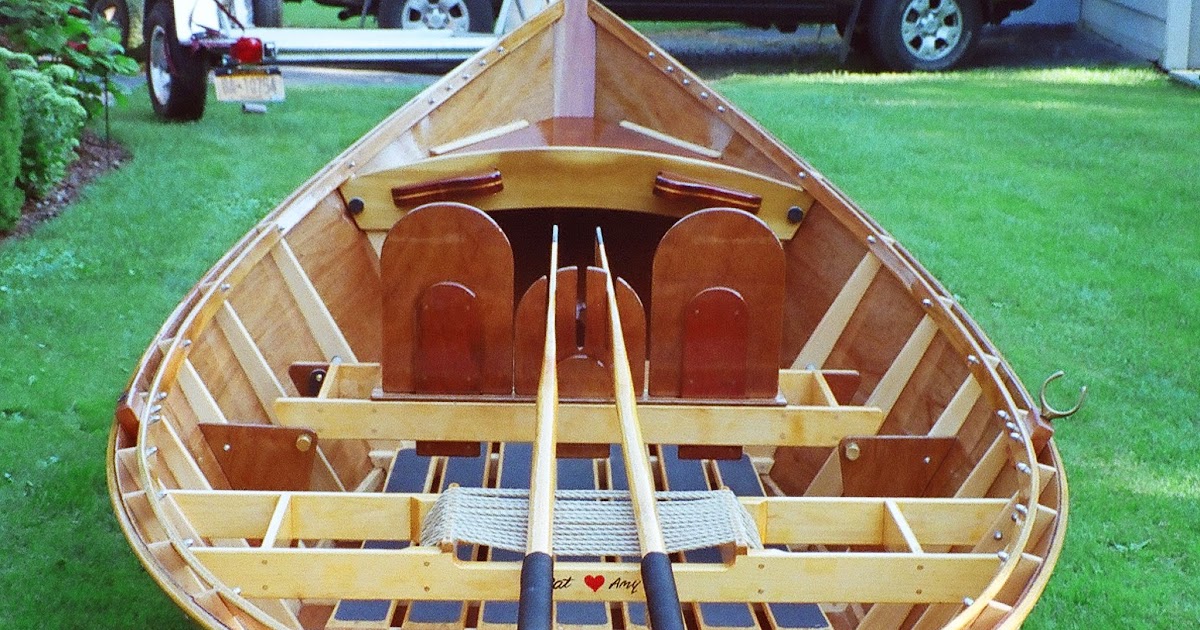
Beyond the Blueprint: Unveiling the Next Generation of Drift Boat Plans
Building a drift boat is a significant undertaking, demanding skill, patience, and a well-chosen set of plans. While countless plans are available, many focus on the same tired designs. This article delves beyond the standard fare, exploring unique perspectives and innovative ideas to help both beginners and experts craft superior drift boats.
Q&A: Tackling the Untapped Potential of Drift Boat Design
Q: Beyond traditional materials (wood, fiberglass), what innovative construction methods are gaining traction?
A: The world of composite materials is exploding. Think beyond the typical fiberglass. Carbon fiber offers unparalleled strength-to-weight ratios, leading to lighter, faster, and more durable boats. However, the cost and expertise required are higher. Kevlar provides excellent impact resistance, making it ideal for rocky rivers. Exploring these advanced compositesâ€"and perhaps even experimenting with bio-composites like flax or hemp fibers reinforced with epoxy resins (a more sustainable approach)â€"opens exciting new avenues for performance and environmental responsibility. Research from institutions like the University of Washington's Composite Materials Group (while not directly focused on boats, their research on material properties is highly relevant) offers valuable insights into these areas.
Q: How can we design for increased stability and maneuverability, especially for beginners?
A: Traditional designs often focus on aesthetics over optimal hydrodynamics. We need to consider computational fluid dynamics (CFD) modeling. This allows for precise simulation of water flow around the hull, optimizing shape for better stability and maneuverability. Beginners often struggle with unexpected currents. A wider, flatter bottom might seem counterintuitive for speed, but it significantly enhances initial stability. Integrating advanced features like skegs (carefully designed) can improve tracking and control, particularly in challenging conditions. Look beyond simple sketches; embrace modern design tools to fine-tune performance.
Q: How can plans account for the diverse needs of different river systems?
A: A “one-size-fits-all†approach is a recipe for disaster. Plans need to be adaptable. Consider modular designs that allow for customized features based on the intended river. A boat for the calm waters of a large river will differ dramatically from one navigating technical rapids. Consider offering multiple keel options (e.g., a shallow keel for shallow rivers, a deeper keel for stability in stronger currents) and interchangeable components (like different configurations of side decks or bow structures) to ensure versatility. This approach promotes a more environmentally conscious approach to boat building, as a single basic plan could be adapted to a greater variety of uses, reducing unnecessary consumption.
Real-World Inspiration: Learning from the Experts (and the Mistakes)
I recently spoke with renowned boat builder, Mark Johnson, who recounted a story about a client who built a boat from a poorly researched plan. The boat lacked sufficient rocker, leading to significant instability and ultimately, a near-capsizing incident. This highlights the critical need for detailed plans that fully address hydrodynamics. Johnson’s own designs emphasize rigorous testing and refinement, integrating feedback from experienced river guides to fine-tune each aspect of the boat's performance.
Furthermore, examining designs from different boat building traditions â€" including those from indigenous cultures with extensive river navigation experience â€" can offer valuable insights into optimal hull shapes and construction techniques for specific river conditions. This opens new avenues for creative inspiration and improvement of boat performance.
The Future of Drift Boat Design: A Call for Collaboration
The future lies in collaboration. Sharing designs, testing methodologies, and materials knowledge is crucial for driving innovation. Educational institutions can play a key role by incorporating modern design software and material science into their boat-building programs. Online communities and forums can facilitate the exchange of best practices and lessons learned. By combining the traditional craftsmanship of woodworking with the cutting-edge science of materials and design, we can elevate the art of drift boat building to unprecedented levels.
This isn't just about building a boat; it's about building a community of passionate individuals committed to pushing the boundaries of what's possible.
How to Customize Your Wooden Boat Kit for Personal Use

Beyond the Plans: Unconventional Customization of Your Wooden Boat Kit
Building a wooden boat from a kit is a rewarding journey, a blend of craftsmanship and personal expression. But what if you want to go beyond the standard design? This article delves into often-overlooked aspects of boat kit customization, offering fresh perspectives for hobbyists, builders, and educators alike. We'll explore creative solutions and unconventional approaches, moving beyond simple aesthetic changes to consider truly personalized functionality.
Q&A: Unlocking Hidden Customization Potential
Instead of a traditional review structure, let's tackle this topic through a series of questions and answers, addressing some less-discussed aspects of wooden boat kit customization.
Q: Beyond Aesthetics: How Can I Customize Functionality?
A: While paint color and wood finish are popular customization points, consider functional adaptations. Think about your intended use. Are you primarily fishing? Then integrate rod holders directly into the design, perhaps incorporating them during the kit's construction rather than adding them as an afterthought. Do you plan on extensive coastal cruising? A deeper bilge for added stability, or a custom-built storage solution for navigational equipment, would be invaluable. Even small changes like repositioning oarlocks for optimal rowing leverage can significantly improve usability.
Q: Can I Integrate Modern Materials Responsibly?
A: The romance of all-wood construction is undeniable, but strategically incorporating modern materials can enhance both performance and durability. For instance, using epoxy resin not only for bonding but also for creating a robust, waterproof coating on vulnerable areas, significantly extends the boat's lifespan. This approach isn’t about sacrificing tradition but intelligently blending old and new techniques. Consider using fiberglass cloth in high-stress areas like the keel for increased strength, while maintaining a largely wooden aesthetic. Remember, responsible integration means researching compatibility and applying these materials skillfully to avoid compromising the boat's structural integrity.
Q: How Can I Personalize My Kit Without Compromising Structural Integrity?
A: This is crucial! Always consult the kit's plans and, if necessary, a naval architect before making major modifications. Small changes, like adding a custom-built seat or a different type of decking, are generally safe provided they don't significantly alter the boat's weight distribution or structural support points. For larger alterations, detailed calculations and potential structural analysis are vital. Think of it like this: You wouldn't rebuild a car engine without understanding its mechanics; similarly, altering a boat's structure requires careful planning and expertise.
Real-World Examples: Inspiring Unique Boat Builds
Let's explore a couple of real-world examples that showcase innovative customization:
Story 1: The Solar-Powered Dory: A builder customized their small dory kit by integrating a small solar panel into the design, seamlessly integrating it into the transom. This powered a small electric trolling motor, offering a silent, environmentally friendly option for fishing trips.
Story 2: The Kayak-Canoe Hybrid: One imaginative builder blended aspects of a kayak and a canoe kit, creating a hybrid craft perfect for solo paddling in narrow waterways while maintaining the capacity for carrying a small load. This involved careful consideration of hull shape, seat placement, and paddle placement.
Conclusion: Your Boat, Your Vision
Customizing a wooden boat kit is a chance to create something truly unique. By moving beyond surface-level aesthetics and considering functional enhancements and responsible integration of modern materials, you can craft a boat that perfectly reflects your needs and personality. Remember to prioritize structural integrity and consult experts when necessary. The result? A boat that's not just a vessel, but an extension of your creativity and craftsmanship.
Disclaimer: Always consult the manufacturer's instructions and, if necessary, a qualified marine professional before making significant modifications to your wooden boat kit. Improper modifications can compromise safety and structural integrity.
Top Features to Look for in a Wooden Boat Kit
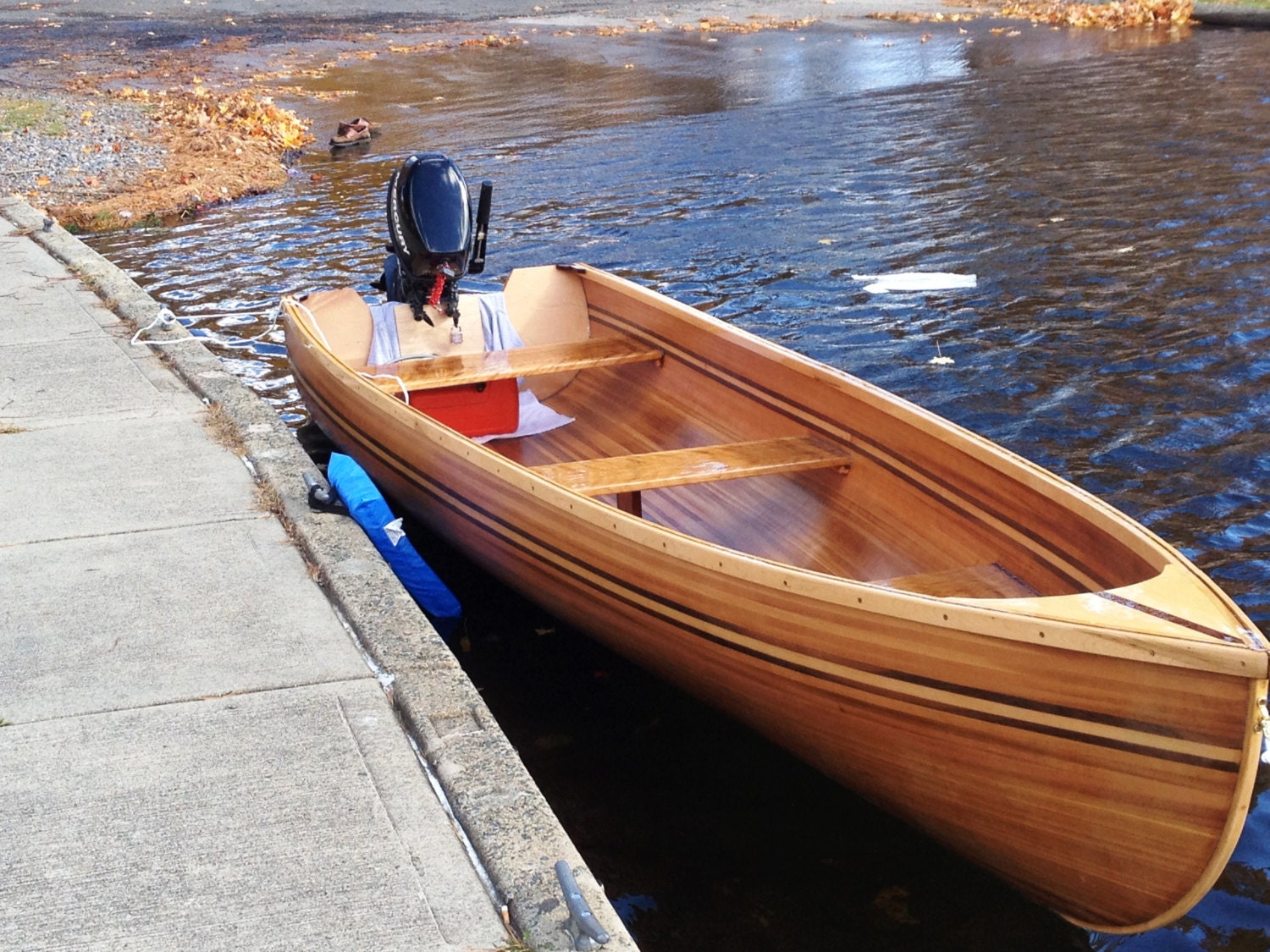
Beyond the Hull: Unveiling Hidden Gems in Wooden Boat Kits
Building a wooden boat from a kit is a rewarding journey, blending craftsmanship with the allure of the sea. But choosing the right kit can be surprisingly complex. This article dives beyond the usual specifications, exploring often-overlooked aspects that can significantly impact your build and the final product. We'll tackle these crucial points not through a dry list, but through a question-and-answer format, enriched with real-world insights.
The Unsung Heroes: Beyond the Wood Species and Plans
Q: My kit promises "premium mahogany." How can I truly gauge the quality beyond the marketing?
A: Go beyond the species name. While mahogany is prized, its quality varies wildly. Ask the kit supplier for detailed information: the wood's grade (e.g., clear, select, common), its origin (different regions yield varying characteristics), and its moisture content (crucial for stability). Look for photos showcasing the actual wood planks, not just generic stock photos. One builder I know, after receiving a kit with unexpectedly knotty wood, salvaged the situation by carefully selecting usable pieces and using epoxy for reinforcement, ultimately creating a unique, characterful vessel. This highlights the importance of realistic expectations and problem-solving skills.
Q: The plans look fantastic, but what about the included hardware? Is it worth the upgrade?
A: Hardware is the unsung hero of boat building. Cheap hardware can lead to frustrating failures down the line. Evaluate the type and grade of fastenings (screws, bolts, rivets), hinges, and other fittings. Stainless steel is a worthwhile investment for its corrosion resistance. While a "basic" hardware package might seem cost-effective, upgrading could prevent costly repairs or replacements later on â€" a lesson learnt by many experienced builders. Consider factors like the anticipated use of the boat, saltwater vs. freshwater, and the potential for increased stress on certain components.
Building for the Future: Long-Term Considerations and Sustainability
Q: How much time and support should I realistically expect to need?
A: Time estimation is crucial, but often underestimated. Don't solely rely on the kit's advertised build time. Factor in potential delays due to material sourcing, tool repairs, unexpected challenges, and your own learning curve. Consider also the level of support offered by the kit supplier â€" readily available FAQs, detailed instructions, and access to a community forum can be invaluable, saving you considerable time and frustration. Research forums and online communities where builders of specific kits share their experiences before purchasing.
Q: Is there a green approach to choosing my wooden boat kit?
A: Sustainability is increasingly important. Inquire about the sourcing of the wood. Look for kits using sustainably harvested timber, certified by organizations like the Forest Stewardship Council (FSC). Consider the environmental footprint of the shipping and packaging. Choosing a kit from a local supplier can reduce carbon emissions. Remember, a boat is a long-term investment, and a sustainable choice reflects a commitment to environmental responsibility. Choosing a locally sourced and certified wood also directly supports environmentally responsible forest management practices.
Beyond the Instructions: The Art of Problem-Solving
Building a wooden boat is as much about problem-solving as it is about following instructions. Unexpected issues will arise; your adaptability and resourcefulness will be tested. Embrace the challenge. This process fosters creativity and deepens your understanding of boat construction. The experience, successes, and the overcoming of challenges become the most valuable parts of the journey. The pride of creating something beautiful and functional with your own two hands is unparalleled. The final, crafted vessel will serve as a constant reminder of this journey.
By focusing on these often overlooked aspects, you can select a wooden boat kit that not only meets your expectations but also provides a truly enriching and rewarding building experience.
Create Beautiful Free Boats with These Expert Building Plans
Beyond the Blueprint: Unveiling Hidden Gems in Free Boat Building Plans
Building a boat from scratch is a dream for many â€" a testament to human ingenuity and a rewarding journey of creation. But the readily available "free boat plans" often feel… generic. This article delves beyond the surface, exploring the often-overlooked aspects of utilizing these plans, offering new perspectives for hobbyists, professionals, and educational institutions alike.
The Unsung Hero: Material Selection and its Impact
Most free plans focus on the structural design. However, the material you choose drastically alters the final product, its lifespan, and even the building process itself.
Q: How can I go beyond the standard wood choices suggested in free plans?
A: Explore alternative materials! Consider using recycled plastics (like HDPE) for a more environmentally friendly and potentially durable hull. Bamboo, with its strength-to-weight ratio, offers an intriguing alternative to traditional hardwoods, especially in smaller craft. Research the properties of each material â€" its weight, strength, water resistance, and availability â€" to make an informed decision tailored to your specific plan and intended use.
Q: How can I optimize material usage to minimize waste and cost?
A: This is where digital tools shine. Use CAD software (free options exist!) to create precise cut lists, optimizing the use of each sheet of plywood or plank. This minimizes waste, saves money, and reduces environmental impact. Consider using offcuts creatively for smaller boat components or even in other woodworking projects.
Beyond the Static: Adapting Plans for Unique Needs
Free plans are a starting point, not a rigid instruction manual. Thinking outside the box unlocks a world of customization.
Real-World Example: The Kayak Conversion
A friend of mine, an avid kayaker, found a free plan for a simple rowboat. Instead of sticking to the original design, he adapted it to create a stable, shallow-draft kayak by modifying the hull shape and adding a cockpit. This resulted in a personalized vessel perfectly suited to his needs, far exceeding the limitations of the original plan.
Q: How can I safely modify existing plans to fit my skill level or desired features?
A: Start small! Begin with minor alterations, focusing on understanding the structural implications of each change. Consult online forums or experienced boat builders for advice. Consider creating a 3D model (using free software like Blender) to visualize the changes and identify potential structural weaknesses before construction begins.
The Educational Angle: Free Plans as Learning Tools
Free boat plans offer a powerful educational opportunity, going far beyond simple woodworking skills.
By incorporating these elements, educational institutions can leverage free boat plans to provide valuable and unique learning experiences.
Conclusion: Embracing the Potential
Free boat plans are not just blueprints; they are springboards for creativity and innovation. By embracing a flexible approach, focusing on material optimization, and adapting plans to suit individual needs and skill levels, we can unlock the true potential of these readily available resources. The journey of building a boat is far more than just assembling wood; it's a testament to human ingenuity and a deeply rewarding experience.
Simple and Effective Boat Plans Wooden for Any Builder

Beyond the Blueprint: Unlocking Hidden Potential in Simple Wooden Boat Plans
Building a wooden boat is a dream for many, a blend of artistry, engineering, and sheer grit. While countless plans promise "simple and effective" results, truly understanding the nuances beyond the basic dimensions requires a deeper dive. This review of "Simple and Effective Boat Plans Wooden for Any Builder" (assuming this is the book's title â€" please replace with the actual title if different) aims to explore those often-overlooked aspects, fostering a more insightful and rewarding building experience.
Beyond the "Simple": Addressing the Unspoken Challenges
Most boat plans focus on the technical drawings. But what about the less tangible challenges? Let's tackle some often-ignored aspects using a Q&A format.
Q: How do I choose the *right* wood for my project, beyond just species?
A: The plan might specify "cedar" or "oak," but the real story lies in the quality of the wood. Look for straight grain, minimal knots (especially in critical stress areas), and consistent density. Recent research from the Forest Products Laboratory (link to FPL website if available) highlights the impact of wood imperfections on structural integrity. Consider investing in higher-grade lumber, especially for critical components like the keel and stem. Don't be afraid to ask your lumber supplier for advice; they're a valuable resource.
Q: My plan is "simple," but my skills aren't. Where do I find targeted skill-building resources?
A: Many boat plans assume a certain level of woodworking proficiency. If you lack experience with specific techniques (e.g., steam bending, scarfing, or advanced joinery), supplement your plan with online tutorials, community college woodworking courses, or even mentorship from experienced boatbuilders. YouTube channels dedicated to boatbuilding offer valuable visual learning, and many local woodworking guilds provide hands-on opportunities.
Q: The plan seems straightforward, but what about unforeseen problems? How do I adapt?
A: This is where experience (or a good mentor) truly shines. No two pieces of wood are identical; you might encounter variations in size, warping, or even hidden defects. A flexible approach is crucial. Don't be afraid to adjust your approach; a slight modification in a non-critical area might save hours of frustration. Document these changes meticulously for future reference â€" this becomes part of *your* unique build story.
From Blueprint to Reality: Real-World Lessons
Let's examine a real-world scenario:
Imagine a hobbyist, let's call him John, tackling a simple kayak plan. He diligently follows the instructions, but encounters a problem with the hull's curvature. The plan suggests a specific bending technique, but John's wood proves resistant. Instead of forcing it, John researches alternative bending methods, eventually employing a combination of steaming and clamping. He documents his modifications, learning a valuable lesson in adaptability. This isn't a failure; it's a testament to his problem-solving skills. His kayak, while slightly different from the plan's illustration, is now a unique reflection of his journey.
Beyond the Boat: Cultivating a Community
Building a boat is not a solitary pursuit. Engage with online forums, join local woodworking groups, and seek advice from experienced boatbuilders. Sharing experiences, both successes and setbacks, accelerates the learning process and fosters a sense of community. This collaborative aspect, often overlooked, enriches the entire building experience.
In conclusion, while "Simple and Effective Boat Plans Wooden for Any Builder" provides a solid foundation, true mastery comes from embracing the challenges, adapting to unforeseen circumstances, and fostering a community spirit. It's not just about building a boat; it's about building skills, resilience, and lifelong connections.