

Friday, November 22, 2024
Hybrid Duck Boat Plans: Building a Boat for Every Waterfowl Hunter

Hybrid Duck Boat Plans: Building a Boat for Every Waterfowl Hunter
The allure of waterfowl hunting is undeniable. The thrill of the hunt, the camaraderie of fellow hunters, and the satisfaction of bringing home a prized duck or goose are all part of the experience. But navigating the treacherous waters of marshes and flooded fields can be a challenge, demanding a versatile and dependable watercraft. Enter the hybrid duck boat, a revolutionary design that blends the best of both worlds: the agility of a traditional duck boat and the stability of a layout boat.
The Hybrid Duck Boat Advantage
Hybrid duck boats offer a unique blend of features that make them a superior choice for waterfowl hunters. They boast the shallow draft and maneuverability of a traditional duck boat, allowing hunters to navigate tight spaces and access secluded hunting spots. Additionally, they incorporate the stability and spaciousness of a layout boat, providing ample room for hunters to comfortably set up and wait for their prey. This perfect combination makes them suitable for a wide range of hunting scenarios and water conditions.
Designing Your Dream Hybrid Duck Boat
Building your own hybrid duck boat allows you to tailor the design to your specific hunting needs and preferences. The key is to carefully consider the desired features and functions, including:
Size and Capacity
Determine the ideal size and capacity based on the number of hunters and the type of waterfowl you plan to target. A larger boat will provide more space for hunters and gear, while a smaller boat offers enhanced maneuverability in tight spaces.
Hull Shape and Materials
Choose a hull shape that balances stability and maneuverability. Options include a flat-bottom hull for shallow water and a V-hull for rougher conditions. Consider using durable materials such as aluminum, fiberglass, or wood to ensure long-lasting performance and durability.
Layout and Features
Optimize the layout for hunting efficiency. Consider incorporating features like:
- A spacious layout area with comfortable seating
- Storage compartments for decoys, gear, and hunting supplies
- A built-in blind for concealment
- A high-quality paint job for camouflage
Power and Propulsion
Decide on the power source for your hybrid duck boat. Options include:
- Electric motors: Silent operation for stealthy hunting in calm waters
- Gas motors: Greater power and speed for covering long distances or challenging conditions
- Paddle or oars: A classic option for silent and efficient navigation in quiet areas
Building Your Hybrid Duck Boat
Once you have finalized your plans, you can begin construction. Building a hybrid duck boat requires careful planning and attention to detail. Here's a general guide:
Materials and Tools
Gather the necessary materials and tools, including:
- Wood or aluminum for the hull
- Fiberglass or epoxy for sealing and strengthening
- Marine plywood for the layout platform
- Power tools, including a saw, drill, and sander
- Measuring tapes, rulers, and levels
- Fasteners, adhesives, and paint
Construction Steps
Follow these general steps for building your hybrid duck boat:
- Build the hull: Cut and assemble the hull sections according to your plans. Secure them with screws, rivets, or glue. Ensure the hull is watertight.
- Construct the layout platform: Build the layout platform from marine plywood and attach it to the hull. Ensure it is sturdy and level.
- Install the motor: Mount the motor to the transom or the bow, depending on your choice of propulsion.
- Add features: Incorporate storage compartments, a blind, and other desired features.
- Paint and finish: Apply a durable and camouflage paint to the boat. Seal any seams or edges for watertightness.
- Test and refine: Test the boat in the water and make any necessary adjustments to ensure optimal performance.
Conclusion
Building your own hybrid duck boat is a rewarding experience. It allows you to create a personalized watercraft perfectly suited for your hunting needs. By following these guidelines and utilizing high-quality materials, you can build a boat that will provide years of enjoyment and success on the water. Remember, safety is paramount; always wear proper safety gear and follow boating regulations. Happy hunting!

Thursday, November 21, 2024
Wooden Rowboat Plans for Building a Versatile, Lightweight Boat

Building a Versatile, Lightweight Wooden Rowboat: Detailed Plans for Beginners
Crafting your own wooden rowboat is an enriching experience that combines woodworking skills with the allure of the water. This detailed guide provides you with comprehensive plans and expert insights to help you build a lightweight and versatile boat, perfect for leisurely paddling, fishing, or exploring quiet waterways.
Choosing the Right Wood for Your Rowboat
The foundation of your rowboat lies in selecting the appropriate wood. Here are some popular choices:
Cedar:
Known for its lightweight, rot-resistant properties and pleasing aroma, cedar is a prime choice for boat building. Its natural oils help it resist moisture and decay.
Mahogany:
Strong, durable, and aesthetically pleasing, mahogany is a classic choice for boat building. Its beautiful grain pattern adds elegance to the finished product.
Pine:
Affordable and readily available, pine is an excellent option for beginners. While not as durable as cedar or mahogany, it's easy to work with and can be treated to enhance its water resistance.
The Rowboat Design: A Detailed Breakdown
Our plans feature a traditional rowboat design with the following key elements:
- Length: 12 feet
- Beam: 4 feet
- Depth: 18 inches
- Weight: Approximately 150 pounds (depending on the wood chosen)
These dimensions create a boat that's spacious enough for two adults and their gear while maintaining a lightweight design for easy maneuvering.
Essential Tools and Materials
Before embarking on your boat building adventure, gather these essential tools and materials:
- Wood: Cedar, mahogany, or pine planks (refer to the cutting list in the plans)
- Power saw: Circular saw, jigsaw, or band saw
- Hand tools: Hammer, chisel, plane, sandpaper, and clamps
- Measuring tools: Tape measure, ruler, and protractor
- Fasteners: Marine-grade screws, epoxy, and boat-building adhesive
- Finishing materials: Marine varnish, paint, and sanding sealer
Building the Rowboat: Step-by-Step Guide
Follow these steps meticulously to bring your wooden rowboat to life:
Step 1: Cutting the Planks
Begin by cutting the planks according to the dimensions provided in the plans. Ensure all cuts are precise to achieve a smooth and symmetrical boat hull.
Step 2: Assembling the Hull
Use marine-grade screws and epoxy to join the planks together, creating the boat's hull. Start with the bottom, then work your way up the sides, ensuring all joints are securely fastened.
Step 3: Adding the Seats and Thwarts
Construct the seats and thwarts from sturdy wood and install them inside the hull, providing support and comfort for rowing.
Step 4: Constructing the Rowlocks
Create the rowlocks using sturdy wood and securely attach them to the gunwales, providing a stable point for the oars to pivot.
Step 5: Finishing Touches
After thoroughly sanding the hull and interior, apply a layer of sanding sealer to protect the wood from moisture. Finish with multiple coats of marine varnish for a beautiful and long-lasting finish.
Tips for Success
Here are some valuable tips to enhance your boat building experience:
- Work in a well-ventilated area: Ensure adequate airflow to prevent fumes from damaging your health.
- Use a good quality marine-grade epoxy: This will help protect your boat from water damage.
- Take your time: Patience is key to building a quality boat. Don't rush the process.
Conclusion
By following these detailed plans and incorporating expert tips, you'll be well on your way to creating a sturdy, lightweight wooden rowboat. Enjoy the thrill of building your own vessel and the joy of exploring the water in style!
Tuesday, November 19, 2024
Wooden Kayak Plans for High-Performance Kayaks

Wooden Kayak Plans for High-Performance Kayaks
Building a wooden kayak is a rewarding and challenging endeavor that allows you to create a unique and high-performing vessel. While numerous resources and plans exist for building traditional or recreational kayaks, this article will focus specifically on plans designed for high-performance kayaking, encompassing racing, touring, and expedition-style kayaks.
Considerations for High-Performance Kayak Plans
Choosing the right wooden kayak plans for high-performance applications requires a careful understanding of key design principles and your individual needs. These plans should prioritize factors that contribute to speed, efficiency, and stability while considering the specific demands of your intended use.
Hull Design
The hull shape is crucial for performance. High-performance kayaks typically feature:
- Narrower beam: A narrower beam allows for less water resistance and improved glide.
- Longer waterline length: A longer waterline length provides more efficient displacement and speed.
- V-shaped hull: V-shaped hulls offer better tracking and stability in rough waters.
- Rounded chines: Rounded chines minimize drag and enhance efficiency.
- Concave rocker: A slight concave rocker allows for easier turning while maintaining straight-line speed.
Materials and Construction
High-performance wooden kayaks often employ materials and construction techniques that prioritize strength, lightness, and durability. Common options include:
- Cedar strip construction: Lightweight and strong, cedar strips offer excellent flexibility and durability.
- Western red cedar: A popular choice due to its natural resistance to rot and water absorption.
- Epoxy resin: Provides waterproofing and structural strength.
- Fiberglass cloth: Adds additional strength and stiffness.
- Kevlar: Offers superior impact resistance and is often used in high-performance touring and expedition kayaks.
Ergonomics and Features
High-performance kayaks often incorporate features designed to enhance the paddler's comfort, efficiency, and control. These features can include:
- Contoured seating: Comfortable and supportive seating for prolonged paddling.
- Adjustable footrests: Optimize leg positioning and power transfer.
- Thigh braces: Provide support and stability, allowing for efficient paddling.
- Deck hatches: Allow for carrying gear securely.
- Bulkheads: Provide buoyancy and compartments for gear storage.
- Rudders or skegs: Enhance tracking and maneuverability.
Recommended Plans for High-Performance Wooden Kayaks
Numerous resources and plans are available for building high-performance wooden kayaks. Here are a few examples, categorized by intended use:
Racing Kayaks
- "Swift" by Chesapeake Light Craft: A well-respected plan for a fast and efficient racing kayak, designed for sprint racing and marathon paddling. Features a narrow beam, a long waterline length, and a sleek, streamlined hull.
- "Sea Serpent" by Glen-L Marine: A classic racing kayak plan known for its speed and maneuverability. This plan utilizes a V-shaped hull and a rounded chine design for efficient performance.
- "K-1 Racing Kayak" by WoodenBoat: A comprehensive plan for a competitive racing kayak, featuring detailed instructions and design considerations for achieving high performance.
Touring Kayaks
- "Explorer" by Chesapeake Light Craft: A versatile touring kayak plan suitable for long-distance paddling, featuring a spacious cockpit, ample storage capacity, and a durable construction for handling rough water conditions.
- "Seawind" by Guillemot Kayaks: A popular plan for a fast and efficient touring kayak, known for its excellent handling and stability in open water. Offers a balanced combination of speed, comfort, and cargo capacity.
- "Expedition" by Stitch & Glue Kayak Plans: A comprehensive plan for a rugged expedition kayak, designed for long-distance journeys and challenging water conditions. This plan incorporates features like large hatches, bulkheads, and a reinforced hull for durability.
Expedition Kayaks
- "Arctic Tern" by Guillemot Kayaks: A highly regarded expedition kayak plan designed for extreme conditions and carrying heavy loads. Features a wide beam, a robust construction, and a large cargo capacity for multi-day expeditions.
- "Seabird" by Chesapeake Light Craft: A versatile expedition kayak plan suitable for both coastal and inland paddling, featuring a spacious cockpit, a generous cargo area, and a durable construction for challenging environments.
- "Nomad" by WoodenBoat: A plan for a rugged and durable expedition kayak, featuring a long waterline length, a generous cargo capacity, and a strong construction suitable for long-distance voyages and challenging water conditions.
Advantages of Building a Wooden Kayak from Plans
Building a wooden kayak from plans offers numerous advantages:
- Customization: You can personalize your kayak by adjusting the design, features, and materials to your specific requirements.
- Unique Vessel: A hand-crafted wooden kayak provides a sense of pride and individuality, with a unique character and aesthetic appeal.
- Durability and Performance: Well-built wooden kayaks are known for their durability and longevity, offering excellent performance for years to come.
- Educational Experience: Building a wooden kayak is a challenging and rewarding experience that provides a deep understanding of boat construction and design principles.
Resources and Support for Building a Wooden Kayak
Numerous resources are available to assist you in building a wooden kayak. Here are a few starting points:
- Plan Suppliers: Chesapeake Light Craft, Glen-L Marine, Guillemot Kayaks, Stitch & Glue Kayak Plans, WoodenBoat.
- Online Forums and Communities: Kayak Forum, WoodenBoat Forums, Wooden Kayak Group.
- Books and Articles: "The WoodenBoat Book of Kayaks" by Jonathan Wilson, "Building a Kayak: A Guide to the Art of Wooden Boatbuilding" by Howard Chapelle, "The Complete Guide to Building a Kayak" by Peter Foerster.
- Local Boatbuilding Classes: Search for local boatbuilding classes offered by community colleges, woodworking clubs, or boatbuilding schools.
Conclusion
Building a wooden kayak from plans is a rewarding and challenging journey that allows you to create a unique and high-performing vessel tailored to your specific needs. By carefully considering the design principles, materials, and features discussed in this article, you can build a wooden kayak that delivers exceptional performance and enjoyment on the water.
Saturday, November 16, 2024
How to Build a Wooden Rowboat: Materials, Tools, and Plans

Building a Wooden Rowboat: A Comprehensive Guide
Constructing a wooden rowboat is a rewarding endeavor that combines traditional craftsmanship with the joy of creating a functional and beautiful watercraft. This comprehensive guide will provide you with the necessary knowledge to embark on this journey, covering materials, tools, plans, and step-by-step instructions.
Materials
Choosing the right materials is crucial for building a durable and watertight rowboat. Here's a breakdown of essential components:
Wood
- Planks: The primary structural components of the hull. Popular choices include cedar, pine, mahogany, and oak. Consider the desired weight, durability, and aesthetics when selecting a species.
- Frames: Provide the boat's shape and support the planks. Oak, ash, and hickory are suitable for frames due to their strength and resistance to bending.
- Stem and Stern: The forward and aft ends of the hull, respectively. These pieces are typically made from a strong hardwood like oak or maple.
- Keel: The backbone of the boat, running along the bottom. Choose a durable hardwood like oak or white pine.
- Transom: The vertical piece at the stern where the oars are mounted. Oak or mahogany are excellent choices for this component.
Fasteners
- Copper or bronze screws: Used for joining the planks to the frames and other structural components. They resist corrosion in a marine environment.
- Marine glue or epoxy: Provides a strong and waterproof bond for seams and joints.
- Rivets: Traditionally used for attaching the planking to the frames, but screws are now more common.
Other Materials
- Boat paint: Protects the wood from water and the elements. Consider using a marine-grade paint specifically designed for wooden boats.
- Oars: Essential for propulsion. Choose oars made from ash or hickory for strength and durability.
- Rowlocks: Allow the oars to be secured to the boat. They can be made of metal or wood.
- Thwarts: Seats for the rower(s). These are usually made of wood and mounted across the boat.
Tools
A comprehensive set of tools is essential for building a wooden rowboat. The following list includes the most important tools:
Power Tools
- Table saw: For accurately cutting planks to size.
- Planer: Smooths and flattens the planks.
- Drill: For drilling holes for fasteners and other operations.
- Belt sander: For sanding large surfaces.
- Random orbit sander: For finer sanding and smoothing.
Hand Tools
- Chisels: For shaping and carving wood.
- Hand plane: For smoothing and shaping wood.
- Mallet: For driving chisels and other tools.
- Clamps: For holding pieces of wood together while gluing or fastening.
- Measuring tape: Essential for accurate dimensions.
- Spirit level: For ensuring that the boat is level and symmetrical.
- Saw: For cutting wood to size. You'll need a handsaw, crosscut saw, and a coping saw for intricate cuts.
- Screwdrivers: For driving screws.
- Pliers: For gripping and manipulating parts.
Plans
Choosing the right plans is crucial for success. Consider the following factors:
- Boat Length and Width: Determine the desired size based on your needs and intended use.
- Boat Type: Choose from a variety of rowboat styles, such as skiffs, dinghies, or dories, each with unique characteristics.
- Skill Level: Select plans suitable for your experience level. Beginner-friendly plans often provide more detailed instructions.
You can find boat plans online, in woodworking magazines, or from specialized boat plan suppliers. Make sure the plans include detailed drawings, materials lists, and clear instructions.
Building the Rowboat
Building a wooden rowboat is a multi-step process that requires precision, patience, and attention to detail. Here's a general overview of the steps involved:
Step 1: Prepare the Materials
Begin by milling the planks to the required dimensions and thicknesses specified in the plans. Ensure the wood is dry and free from defects. Prepare the frames and other structural components according to the plans.
Step 2: Construct the Frames
Assemble the frames according to the plans. Use a strong glue and secure the joints with screws or rivets. Ensure the frames are symmetrical and properly spaced.
Step 3: Attach the Planks
Start at the keel and attach the planks to the frames, one at a time. Use clamps to hold the planks in place while gluing and fastening them. Pay close attention to the alignment and spacing of the planks.
Step 4: Shape the Hull
Once the planking is complete, shape the hull using hand planes, chisels, and sandpaper. Follow the lines and curves defined in the plans, ensuring smooth transitions.
Step 5: Install the Stem and Stern
Attach the stem and stern to the hull using strong glue and fasteners. Ensure a secure connection to maintain the boat's integrity.
Step 6: Install the Transom
Mount the transom to the stern, securing it with glue and fasteners. This is where the oars will be mounted.
Step 7: Install Thwarts and Other Fittings
Attach the thwarts (seats) to the boat's interior, ensuring they are securely positioned and comfortable for rowing. Install other fittings, such as rowlocks and oarlocks, according to the plans.
Step 8: Finishing
Sand the hull smooth to remove any rough edges. Apply primer and several coats of marine-grade paint to protect the wood from water and the elements. Add any desired decorative details.
Safety Precautions
Building a wooden rowboat involves using power tools and working with sharp objects. Always wear appropriate safety gear, including eye protection, hearing protection, and work gloves. Be mindful of potential hazards, such as sawdust, sharp edges, and heavy objects.
Conclusion
Building a wooden rowboat is a challenging but rewarding project that allows you to create a unique and personal watercraft. By following the steps outlined in this guide, you can craft a beautiful and functional boat that will provide you with years of enjoyment on the water. Remember, patience, attention to detail, and a commitment to safety are key to achieving a successful build.
Thursday, November 14, 2024
Step-by-Step Guide to Using Free Wooden Boat Plans
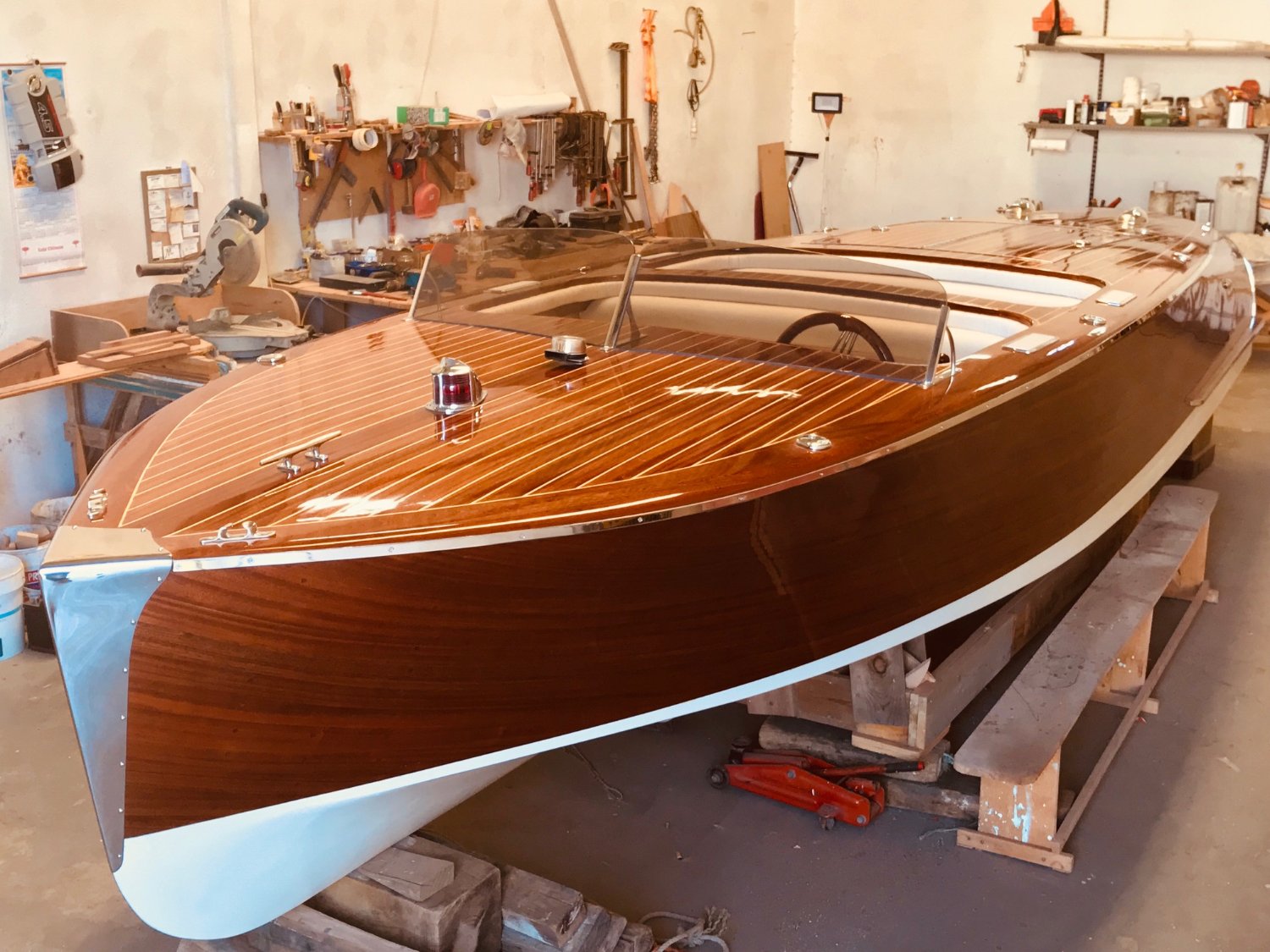
Step-by-Step Guide to Using Free Wooden Boat Plans
Building a wooden boat from scratch is a rewarding and challenging endeavor. Free wooden boat plans offer an accessible entry point for aspiring boat builders, providing detailed blueprints and instructions for crafting your own vessel. Whether you're a seasoned craftsman or a novice woodworker, this comprehensive guide will equip you with the necessary steps to bring your boat-building dreams to life.
Finding the Perfect Plan
The first step in your boat-building journey is finding the right plan. There are numerous resources available online and in print that offer free wooden boat plans. Start your search by defining your needs and desires. Consider the following factors:
Boat Type and Size
Do you envision a sleek sailboat, a sturdy rowboat, or a whimsical dinghy? Determine the type of boat that best aligns with your intended use, whether it's for leisurely cruising, fishing, or racing. Consider the size of the boat, as this will impact the materials required, construction time, and overall cost.
Skill Level
Be honest about your woodworking skills. Choose a plan that matches your experience level. Beginners may want to start with a simpler design, while experienced builders can tackle more intricate projects.
Availability of Materials
Some plans call for specialized or hard-to-find materials. Research the required materials and ensure their availability in your area before committing to a specific plan.
Understanding the Plans
Once you've selected a plan, take the time to study it thoroughly. Familiarize yourself with the different views, diagrams, and notations.
Plan Components
Most wooden boat plans include the following:
- Lines Plans: These show the boat's shape and dimensions in different views.
- Construction Drawings: These provide detailed instructions on how to build each part of the boat.
- Material Lists: These specify the types and quantities of wood, hardware, and other materials needed.
- Building Instructions: These outline the steps involved in assembling the boat.
Gathering Materials and Tools
With your plan in hand, you're ready to gather the necessary materials and tools. Follow your plan's material list carefully, ensuring you have all the required wood, hardware, fasteners, and other supplies.
Wood Selection
Choose high-quality wood that is well-seasoned and free of defects. Some common boatbuilding woods include cedar, mahogany, and oak. Consult your plan for specific wood recommendations.
Essential Tools
You'll need a range of woodworking tools to build your boat. Some essential tools include:
- Hand Planes: For smoothing and shaping wood.
- Saws: For cutting wood to size.
- Chisels: For creating precise cuts and shapes.
- Clamps: For holding pieces of wood together.
- Screwdrivers: For fastening parts.
- Sanding Tools: For smoothing and finishing surfaces.
Construction Process
Building a boat is a step-by-step process. Follow your plan's instructions meticulously, paying attention to detail and ensuring accuracy at each stage.
Framing
The framing stage involves constructing the boat's skeleton. This typically includes building the keel, frames, and planking. Use precision and patience as you cut, shape, and join the wood components.
Planking
Planking is the process of covering the frame with wooden planks. This adds strength and provides the boat's outer shell. Use quality wood and secure it tightly to the frame.
Finishing
Once the hull is complete, you can focus on finishing touches. This may include sanding, painting, varnishing, and adding any additional hardware or fittings.
Launching and Enjoying Your Creation
After all your hard work, the moment has finally arrived to launch your wooden boat! Take time to admire your creation and bask in the satisfaction of completing a challenging project. Enjoy your handcrafted vessel, whether it's gliding through calm waters or braving the open sea.
Safety Precautions
Building a boat involves using power tools and working with wood. Prioritize safety at every stage. Wear appropriate protective gear, such as safety glasses, ear protection, and work gloves. Use caution when operating power tools and be mindful of sharp edges and moving parts.
With careful planning, meticulous execution, and a passion for woodworking, you can bring your boat-building dreams to life using free wooden boat plans. The journey may be demanding, but the rewards of crafting your own vessel are immeasurable.
Tuesday, November 12, 2024
Wooden Canoe Design Ideas for Long-Distance Paddling
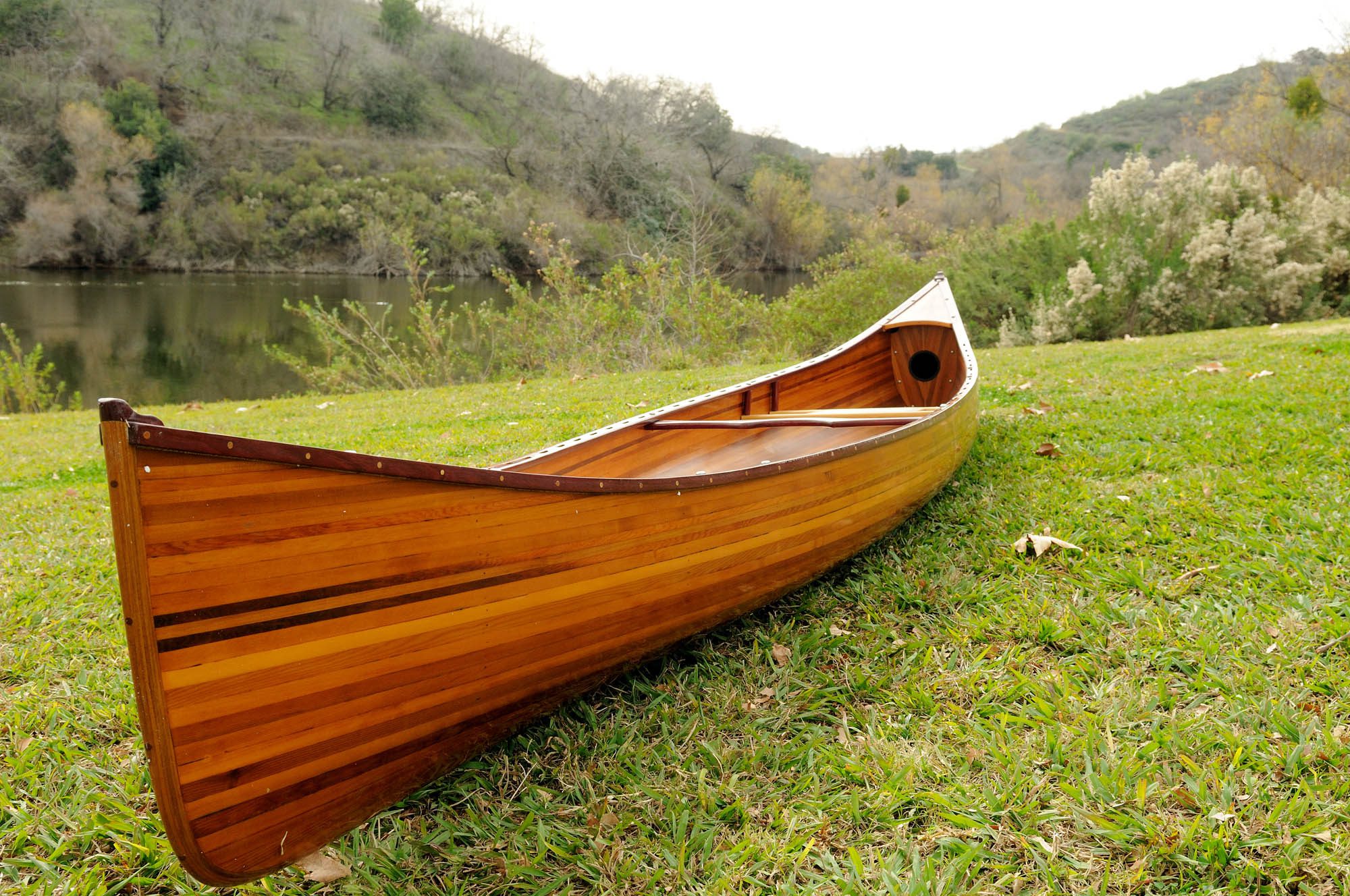
Wooden Canoe Design Ideas for Long-Distance Paddling
Hey there, paddlers! You're looking to take on long-distance paddling adventures, and you've got your heart set on a wooden canoe. That's awesome! Wooden canoes are beautiful, durable, and have a timeless charm. But designing a wooden canoe for long-distance paddling requires a bit more thought than just picking a pretty shape. You're gonna want to consider some key factors to make sure your canoe is comfortable, efficient, and able to handle the miles ahead.
Length and Beam
The length of your canoe is crucial for speed and tracking. A longer canoe (17-20 feet) will glide effortlessly over the water and maintain a straight line, making those long paddles less strenuous. However, longer canoes can be a bit more challenging to maneuver in tight spots or windy conditions. You'll also want to consider the beam (width) of your canoe. A wider beam (30-36 inches) offers more stability and carrying capacity, great for gear and those potential rough waters. But keep in mind, a wider beam will increase drag and slow you down.
Finding that sweet spot between length and beam is all about your personal paddling style and the type of waterways you'll be navigating. If you prefer a faster, more efficient ride, go for a longer, narrower canoe. If you prioritize stability and carrying capacity, lean towards a shorter, wider canoe.
Hull Design
The hull design of your canoe will play a big role in how it performs on the water. There are several popular designs to choose from, each with its strengths and weaknesses.
Traditional Canoe Shapes
Traditional canoe shapes, like the **proa** or **outrigger canoe**, are known for their incredible stability and maneuverability. These designs often feature a flat bottom and a wider beam, making them excellent choices for navigating shallow waters and windy conditions. They may not be the fastest on the water, but they offer a solid platform for long-distance paddling.
Modern Canoe Shapes
Modern canoe shapes, like the **racer canoe**, have a more pointed bow and stern, creating a sleek and efficient hull. These designs are known for their speed and tracking but can be a bit less stable in rough waters. You'll find many variations of modern canoe shapes, each offering a unique blend of speed, stability, and maneuverability.
Custom Designs
Don't be afraid to get creative with your hull design! You can combine elements from traditional and modern shapes to create a custom design tailored to your specific needs and preferences. Working with an experienced canoe builder can help you refine your ideas and bring your dream canoe to life.
Materials and Construction
The materials and construction methods used for your canoe will greatly impact its durability, weight, and overall performance.
Wood Choices
Traditional wooden canoes are often made from cedar, spruce, or pine. These woods are lightweight, strong, and easily worked. However, they are also susceptible to water damage and require regular maintenance. More durable woods like oak or ash can be used for the ribs or gunwales, adding strength and longevity to the canoe.
Construction Techniques
There are several traditional construction techniques for wooden canoes, each with its advantages and disadvantages. **Strip planking** involves gluing thin strips of wood together to form the hull, while **rib and plank construction** utilizes a framework of ribs to support the planking. **Lapstrake construction** uses overlapping planks to create a watertight hull, while **carvel construction** uses flush planks. Your choice of construction technique will depend on your desired level of durability, weight, and aesthetic.
Modern Materials
While traditional wood construction is beautiful and time-honored, you can also consider incorporating modern materials into your canoe design. Using fiberglass or epoxy for the exterior can enhance durability and water resistance. You can also use lightweight foam core for added buoyancy and insulation.
Ergonomics and Comfort
Long-distance paddling demands comfort. You'll be spending many hours on the water, so make sure your canoe is designed to support your body and minimize fatigue.
Seat Design
A comfortable and supportive seat is essential. Consider a contoured seat with adjustable back support or a padded seat with ample cushioning. You'll also want to ensure the seat is positioned correctly in the canoe, allowing for proper posture and efficient paddling.
Foot Braces
Foot braces are crucial for maintaining stability and power while paddling. Adjustable foot braces allow you to customize the position of your feet, reducing strain on your legs and knees. They also provide a solid base for pushing off with your legs, generating more power with every stroke.
Storage and Carrying Capacity
Long-distance paddling means packing gear. Ensure your canoe has ample storage space for your essentials, including sleeping gear, food, and other supplies. You'll want to consider both internal storage space and external storage options like hatches or a deck. Remember, a well-designed canoe should be able to carry your gear without compromising stability and performance.
Beyond the Basics: Personalizing Your Canoe
Once you've considered the essentials, it's time to get creative and personalize your canoe. Add a few custom touches that reflect your style and paddling goals.
Color and Finish
Choose a color scheme and finish that complements your canoe's design and reflects your personality. From classic natural wood finishes to vibrant paint jobs, the possibilities are endless! Consider using a durable marine-grade paint to protect your canoe from the elements.
Decorative Elements
Incorporate decorative elements like hand-carved accents, custom-made woodburning designs, or inlaid patterns to make your canoe truly unique. These touches will add a personal touch and enhance the overall aesthetic.
Customization for Your Needs
Consider your specific paddling needs and tailor your canoe design accordingly. If you're planning on navigating shallow waters, you might opt for a shallow draft hull. If you anticipate frequent windy conditions, you might add a larger sail rig. These thoughtful customizations will make your canoe even more suited for your adventures.
Creating a wooden canoe for long-distance paddling is a rewarding journey. It's about blending traditional craftsmanship with modern design, creating a beautiful, durable, and personalized vessel. So, dive in, get creative, and start crafting your dream canoe for the adventures ahead!
How to Design and Build Your Own Wooden Canoe

Building Your Own Wooden Canoe: A Journey of Skill and Satisfaction
Hey there, fellow water enthusiasts! Ever dreamt of gliding across a tranquil lake in a canoe you built yourself? It's an incredibly rewarding experience, and it's within your reach. Building a wooden canoe isn't just about crafting a vessel; it's about embarking on a journey of skill, patience, and connection with nature. So, grab a cup of coffee, settle in, and let's explore the world of canoe building together.
Getting Started: Laying the Foundation
First things first, let's tackle the basics. You'll need a workspace, tools, and a plan. Find a well-ventilated area, preferably with a workbench or a sturdy table. You'll be dealing with wood, so dust is inevitable.
Essential Tools
To bring your canoe to life, you'll need a few trusty tools:
- Hand planes
- Saws (crosscut and rip)
- Chisels
- Mallet
- Clamps
- Measuring tape and square
- Sandpaper (various grits)
- Wood glue
- Epoxy resin
- Paintbrushes
- Safety gear (gloves, goggles, mask)
Choosing Your Plan
The internet is overflowing with canoe plans. Don't be intimidated by the sheer number; there's a perfect plan waiting for you. Consider your skill level, desired size, and the type of paddling you'll be doing. For beginners, I'd recommend starting with a simple design, like a stitch-and-glue canoe. These plans often have detailed instructions and are easier to assemble.
The Heart of the Canoe: The Hull
Now comes the exciting part: shaping the hull.
Materials
Traditional canoe builders often use cedar, but you can also choose from other sturdy hardwoods like oak, cherry, or mahogany. If you're looking for a lighter option, consider spruce or basswood.
The Build Process
The construction process varies depending on the plan you choose. Stitch-and-glue canoes are built by joining pre-cut strips of wood with epoxy and screws. Traditional canoe building involves shaping the hull with steam and bending wood over molds. It's a labor of love, but the results are stunning.
Adding the Finishing Touches
Once the hull is complete, it's time to bring your canoe to life!
Sheathing
Sheathing protects the hull and adds strength. You can use fiberglass, canvas, or even a combination of both.
Painting and Varnishing
This is your chance to add a splash of personality. Choose a color that reflects your style and protects the wood. A few coats of varnish will seal the wood and add a beautiful shine.
The Seat and Gunwales
The seat and gunwales are essential for comfort and stability. You can select from various materials like wood, aluminum, or fiberglass.
Launching Your Masterpiece
The moment has arrived! After all the hard work, it's time to launch your canoe. Choose a calm body of water and take a moment to admire your creation. It's a feeling unlike any other, knowing you built this masterpiece with your own two hands.
Beyond Building: A World of Paddling Adventures
Building a canoe isn't just about construction; it's about experiencing the joy of paddling. Imagine yourself exploring serene waterways, casting a line for fish, or simply enjoying the quiet company of nature. Your wooden canoe will be your faithful companion, carrying you on countless adventures.
Safety First
Always remember to prioritize safety. Wear a life jacket, know your surroundings, and tell someone about your plans. Check the weather forecast and be prepared for unexpected situations.
Maintaining Your Canoe
A little TLC goes a long way. Regularly check your canoe for any damage and address it promptly. Keep the wood clean and dry, and store it in a well-ventilated area.
Join the Community
The world of canoe building is a welcoming community. Online forums, local workshops, and canoe clubs are great resources for learning, sharing tips, and connecting with fellow enthusiasts. Don't be afraid to ask questions and learn from others.
So, there you have it! Building your own wooden canoe is an incredible journey of skill and satisfaction. It's a commitment, but one that will reward you with countless hours of peaceful paddling and a deep connection with the natural world.